Tallinn Vegan Fair 2026

Programme

Two days of inspiring talks, personal stories, and practical insights from activists and experts in vegan lifestyle, ethics, and nutrition.

Main Stage

🫜 SATURDAY 10.10

11.15 – 11.45

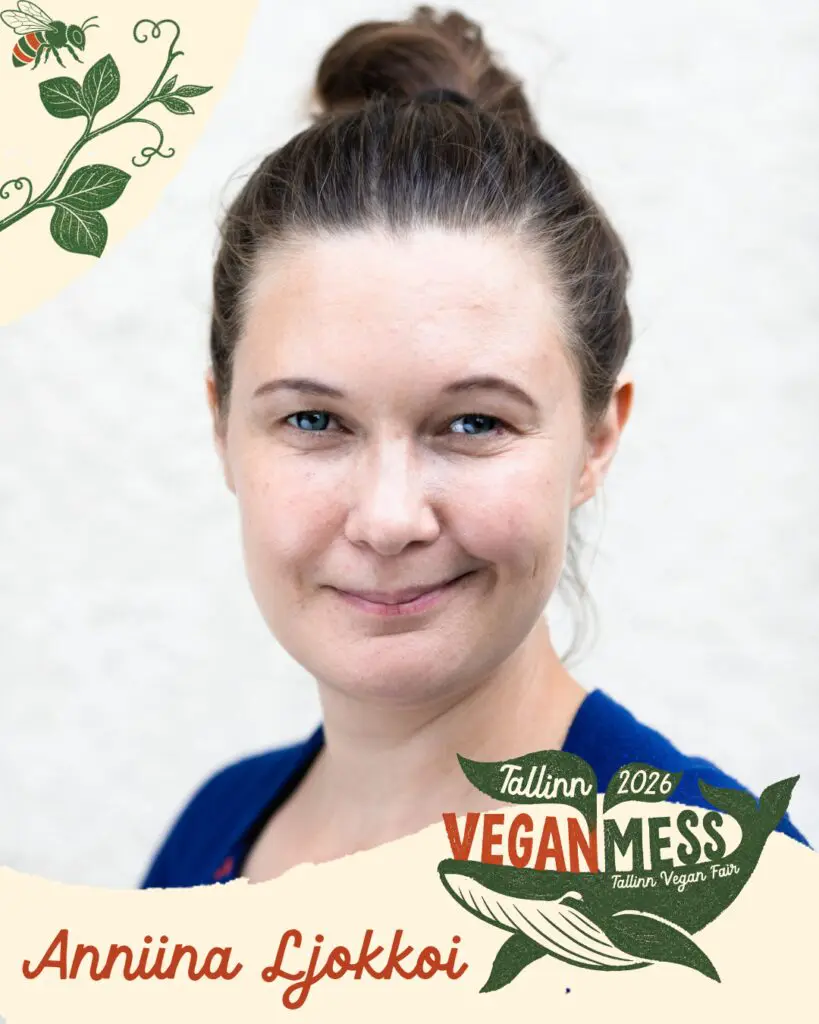
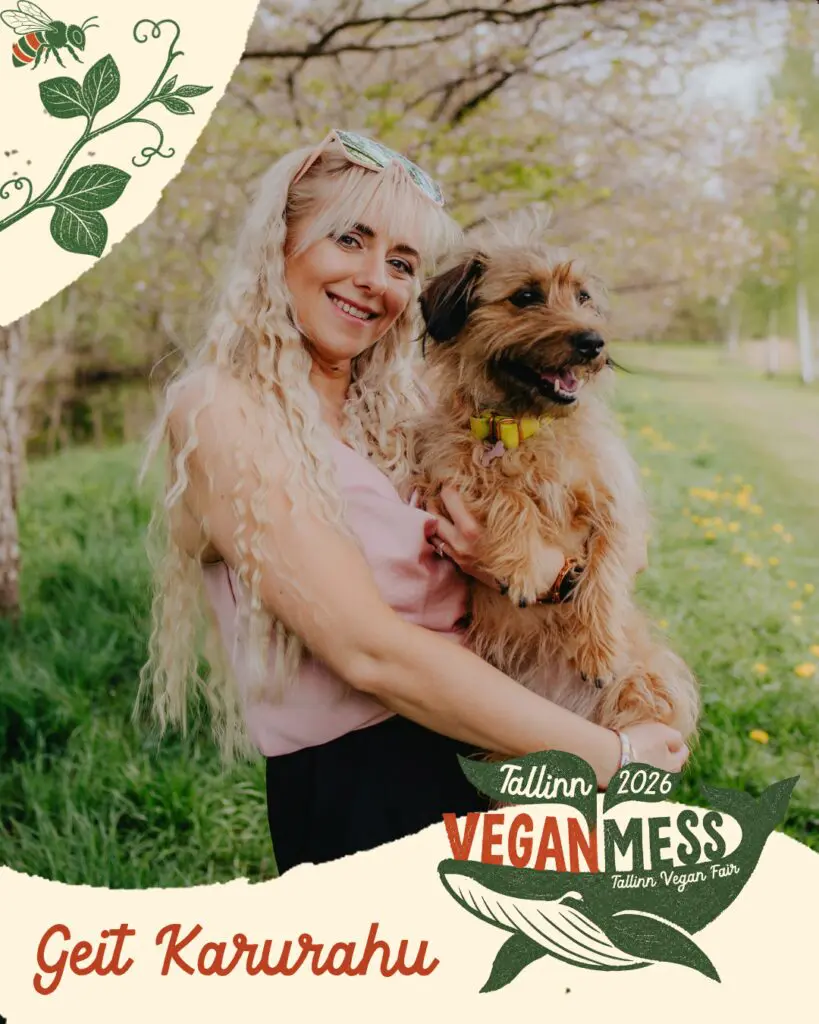
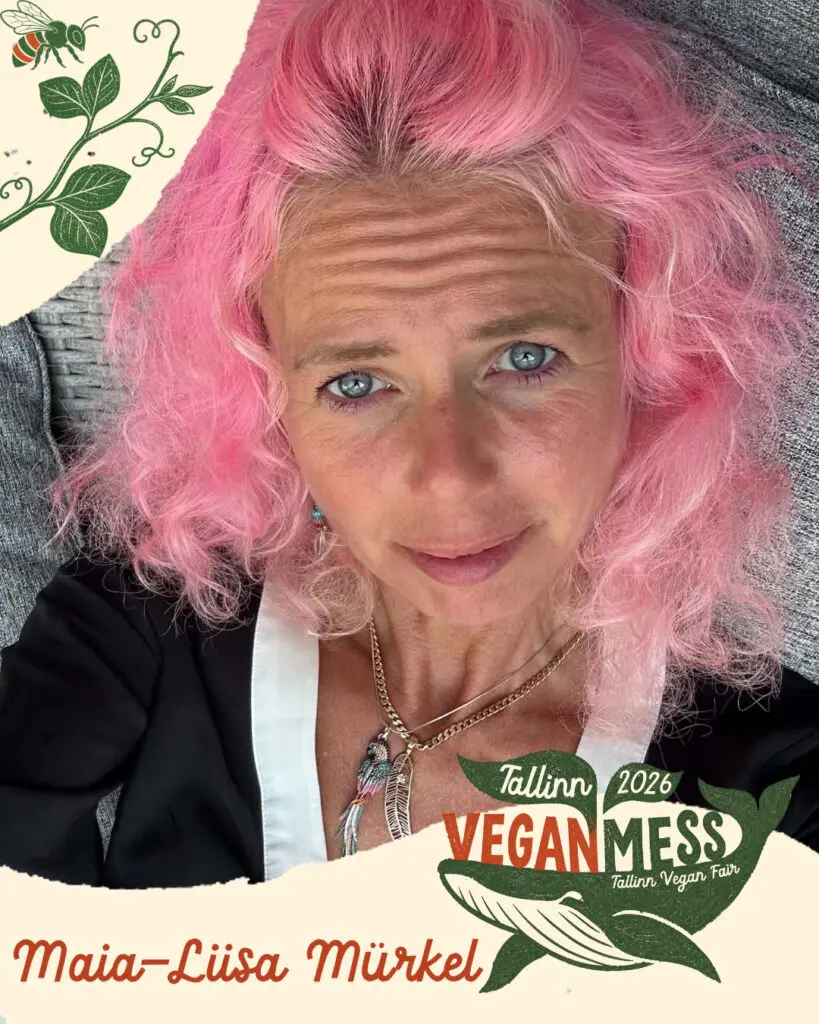
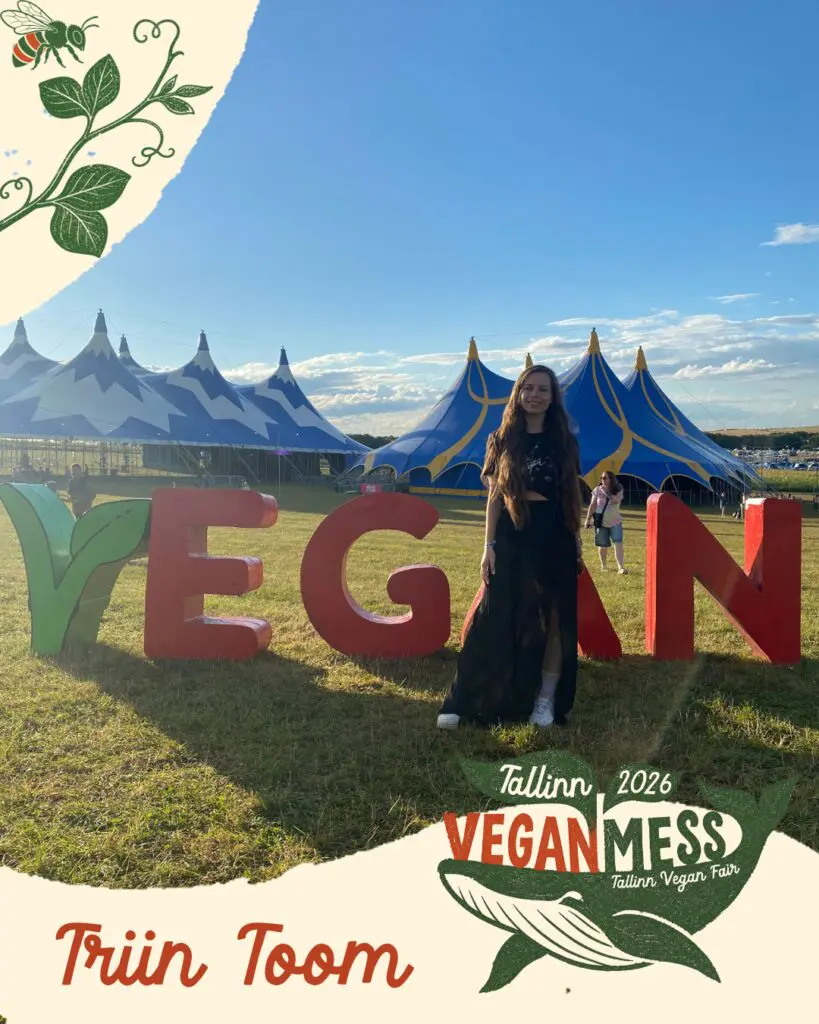
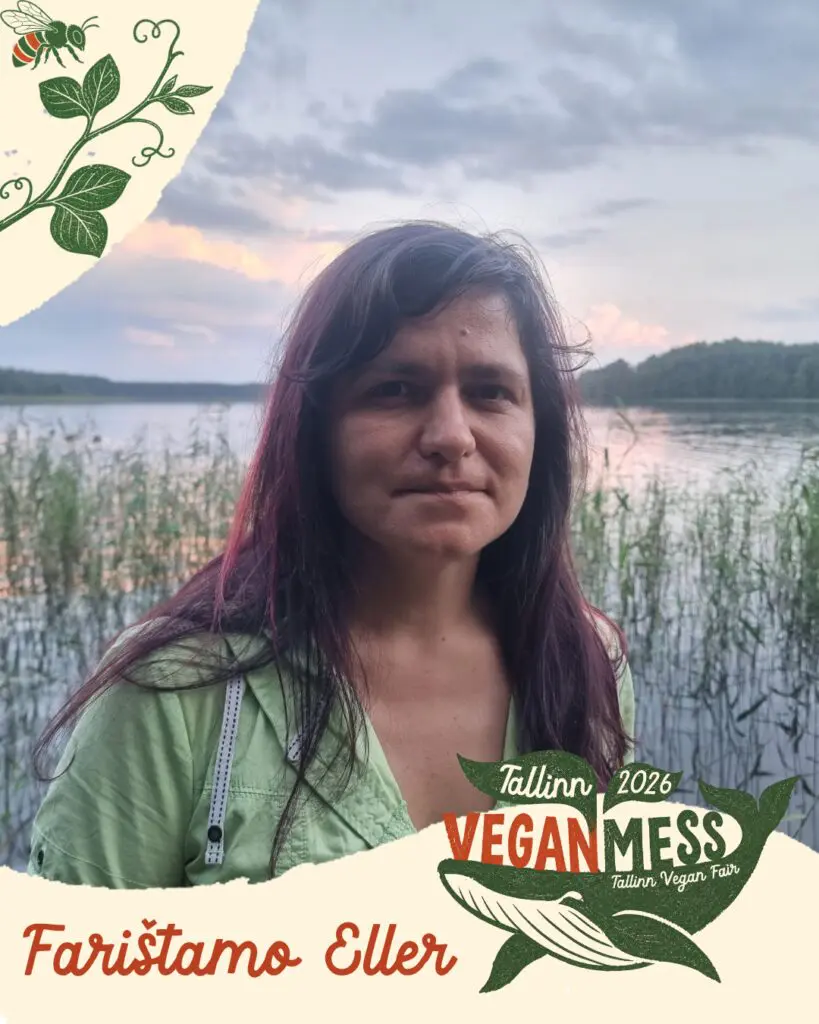
Anniina Ljokkoi, Geit Karurahu, Maia-Liisa Mürkel, Triin Toom. Moderator: Farištamo Eller
LOOMUS' discussion: "Why have fish been left out of animal protection?" (EST)

Anniina Ljokkoi, Geit Karurahu, Maia-Liisa Mürkel, Triin Toom. Moderator: Farištamo Eller

LOOMUS' discussion: "Why have fish been left out of animal protection?" (EST)

Fish are fascinating animals. At the same time, they are so different from us that they are often left out of discussions regarding animal protection and activism. We therefore want to talk about fish and discuss why this is the case and how it can be changed.

12.00 – 12.45

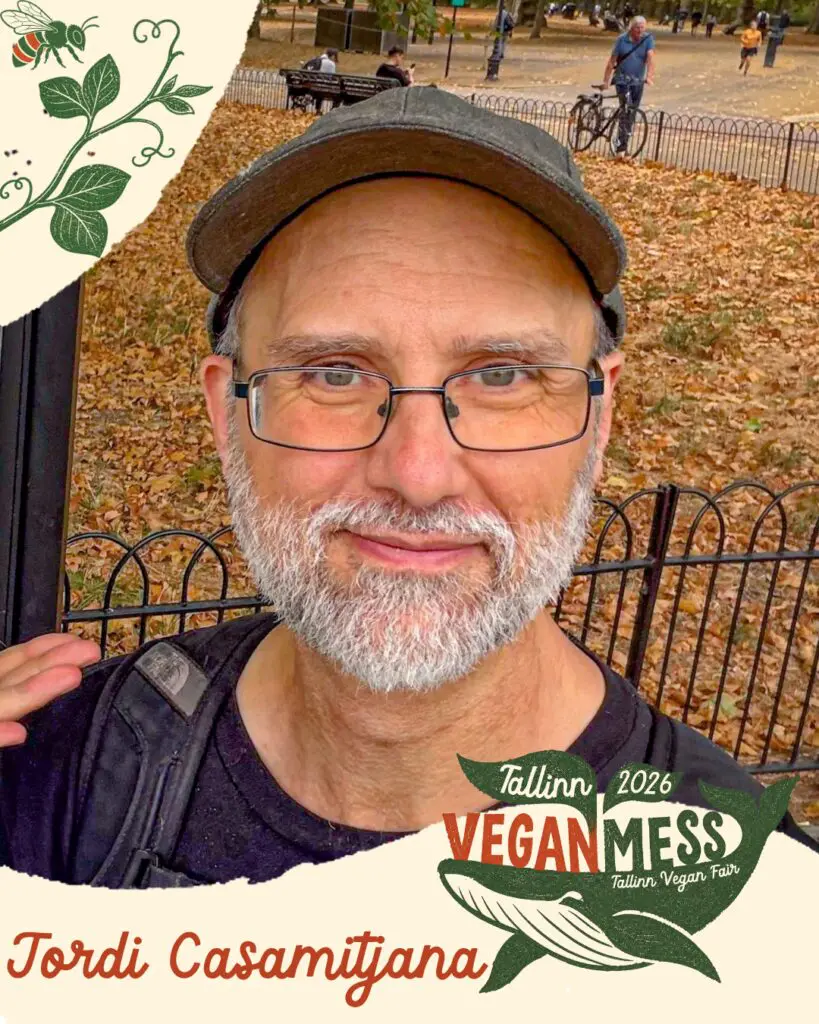
Jordi Casamitjana
"The Pawn Effect: How One Person Can Advance the Veganism and Animal Rights Cause." (ENG)

Jordi Casamitjana

"The Pawn Effect: How One Person Can Advance the Veganism and Animal Rights Cause." (ENG)

It is possible to change policy and law to advance the veganism and animal protection cause, but although this may sound difficult and daunting, it can be much more feasible than most people think. Being alert, looking for the right opportunity, having strong convictions, and using intelligent tactics, one person alone could achieve significant progress in this area (the “pawn effect”).

The speaker, Jordi Casamitjana, did this in 2020, two years after having been fired by an animal welfare organisation for being vegan. After a long litigation process and a crowdfunding campaign, he secured the legal protection of all ethical vegans in Great Britain from discrimination, harassment and victimisation. He used the system itself to change the system from within, and he will explain how he did it.

Thanks to this legal victory that was discussed all over the world (more than 1,500 media reports in more than 70 countries), the UK was the first jurisdiction in the world where ethical veganism has been recognised as a protected philosophical belief – at the same level as other protected characteristics such as religion, sexual orientation, or gender.

This has had an effect in other countries too, as, in 2026, the European Court of Human Rights also accepted that veganism is protected in Europe after a case involving vegans in Switzerland.

Another example of the pawn effect that will be discussed is the current campaign Casamitjana is running to create the biggest survey of vegans.

13.00 – 13.45

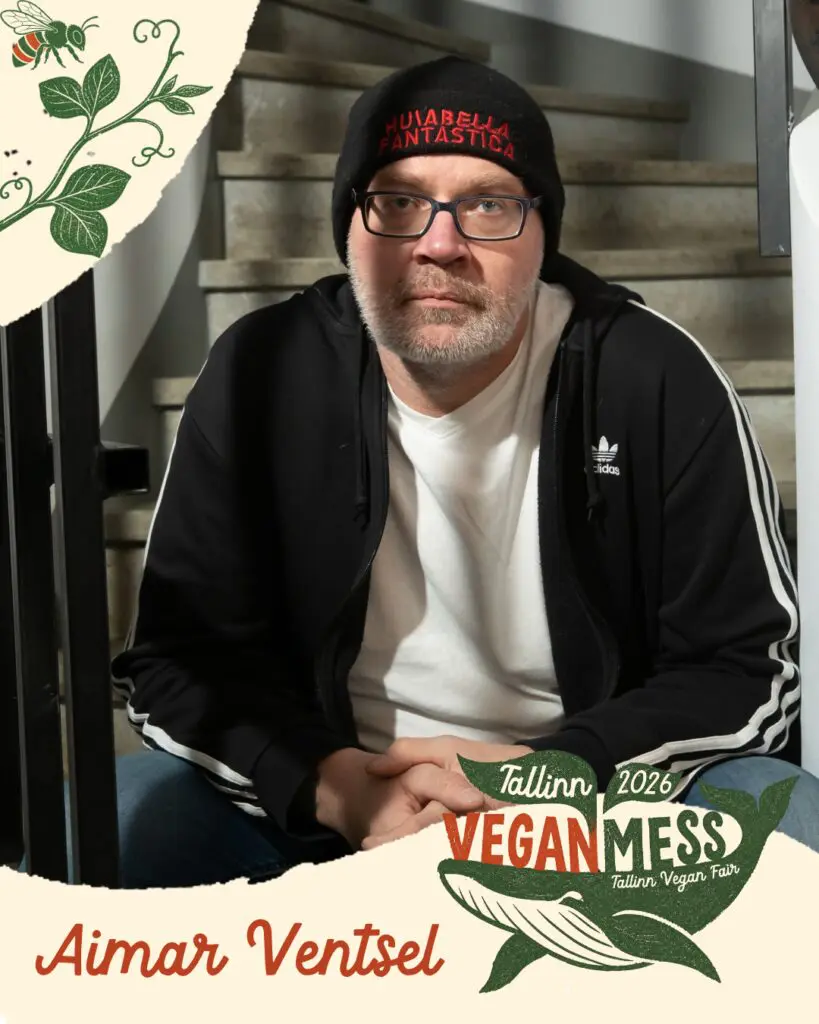
Aimar Ventsel
"Indigenous peoples - what does this mean? Illustrated by the example of Arctic indigenous peoples." (EST)

Aimar Ventsel

"Indigenous peoples - what does this mean? Illustrated by the example of Arctic indigenous peoples." (EST)

There are many prevailing myths regarding the environmental friendliness and harmony with nature of “indigenous peoples”. In his presentation, Aimar intends to address certain aspects that refute this myth.

Northern peoples are often viewed as “indigenous peoples” living according to unchanging traditions; in reality, however, traditions – and consequently dietary habits – have evolved.

The presentation will also discuss the origins and circumstances of indigenous dietary practices, the reasons for resisting changes and restrictions, and the arguments used in these debates.

14.00 – 14.30

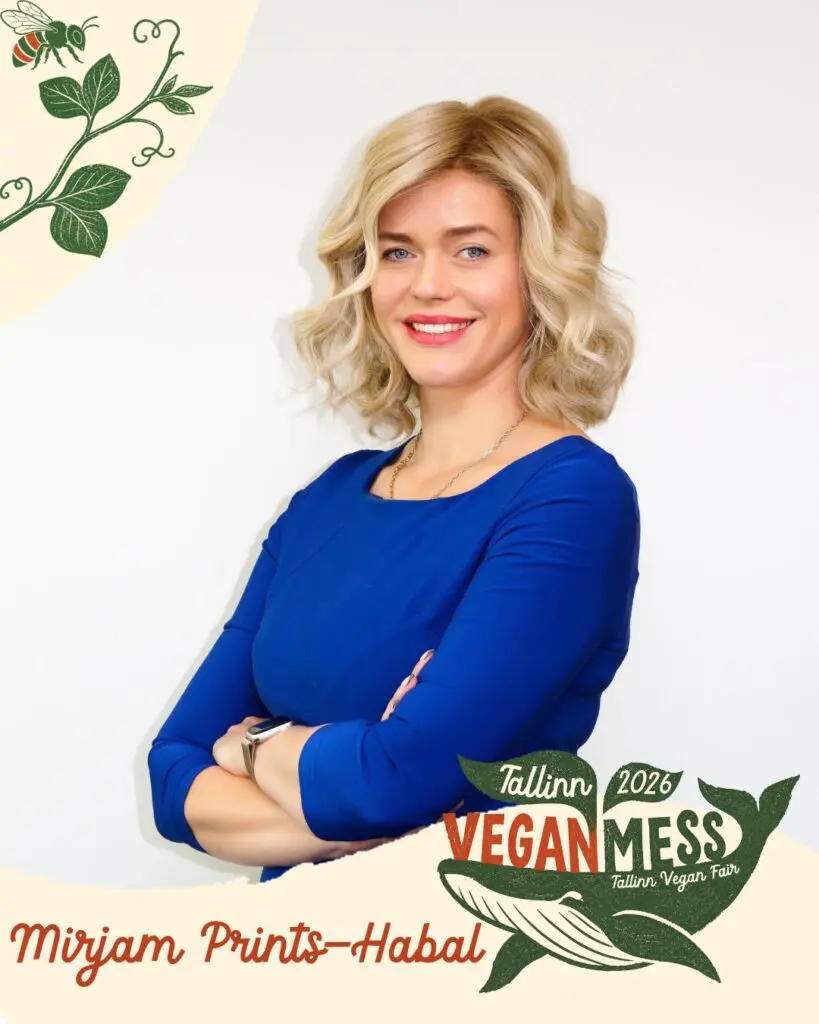
Mirjam Prints-Habal
"A small microelement, a vital role - let's talk about selenium!" (EST)

Mirjam Prints-Habal

"A small microelement, a vital role - let's talk about selenium!" (EST)

The body cannot produce selenium itself, so we must obtain it from our diet. However, European soil is naturally low in selenium, meaning our daily food may not always provide enough of it.

The presentation explains why we need selenium and how it supports the normal functioning of both the immune system and the thyroid gland, as well as protecting cells against oxidative stress and maintaining healthy hair and nails. Thus, this tiny trace element plays a far more important role in meeting our daily nutritional needs than one might initially think. Bio-Selenium+Zinc contains selenium and zinc, along with vitamins A, B6, C, and E – in a carefully balanced combination where the nutrients complement one another.

15.00 – 15.45

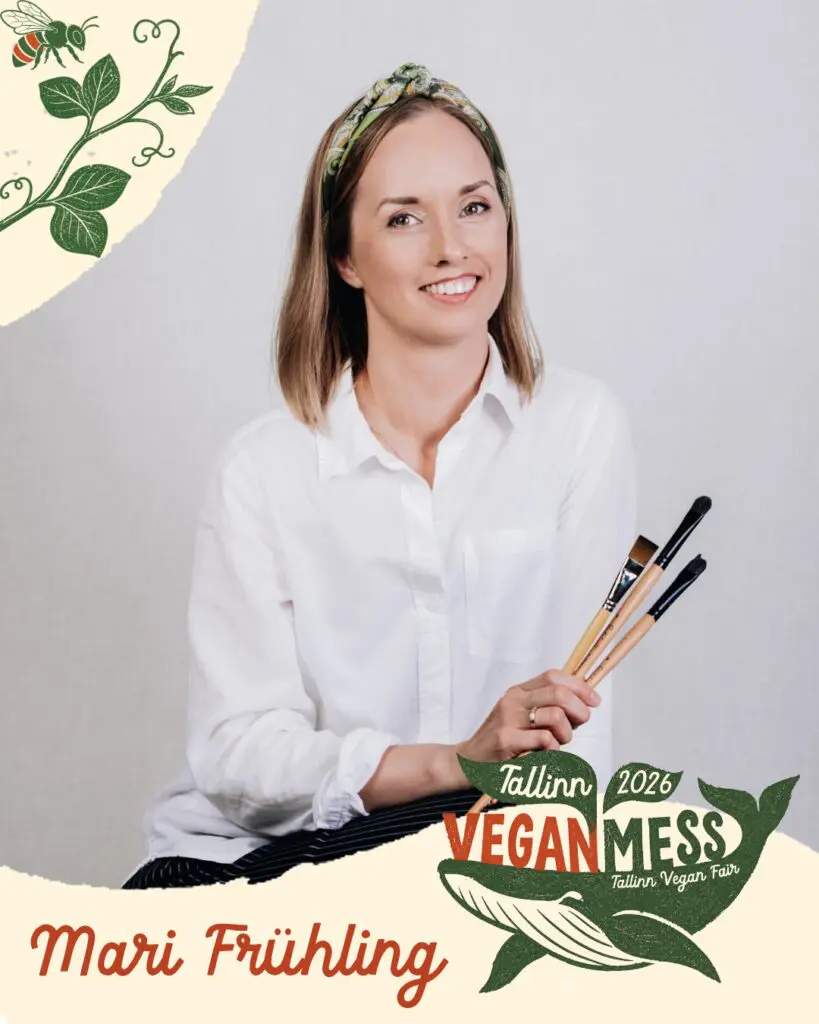
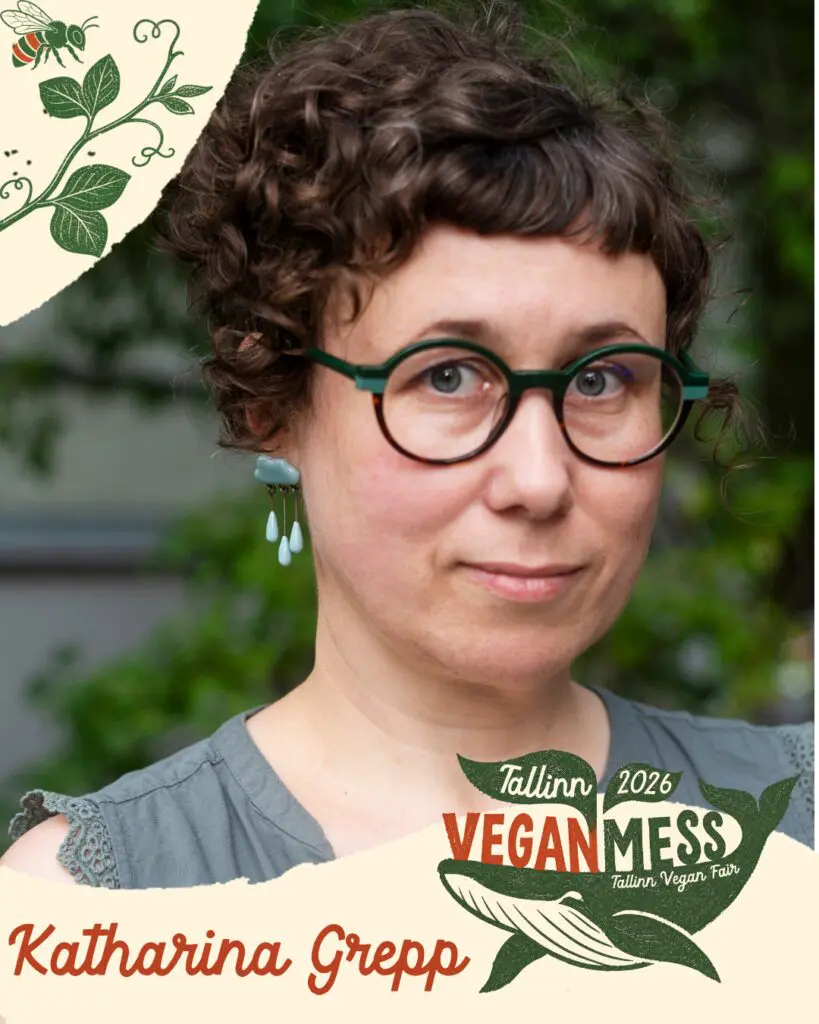
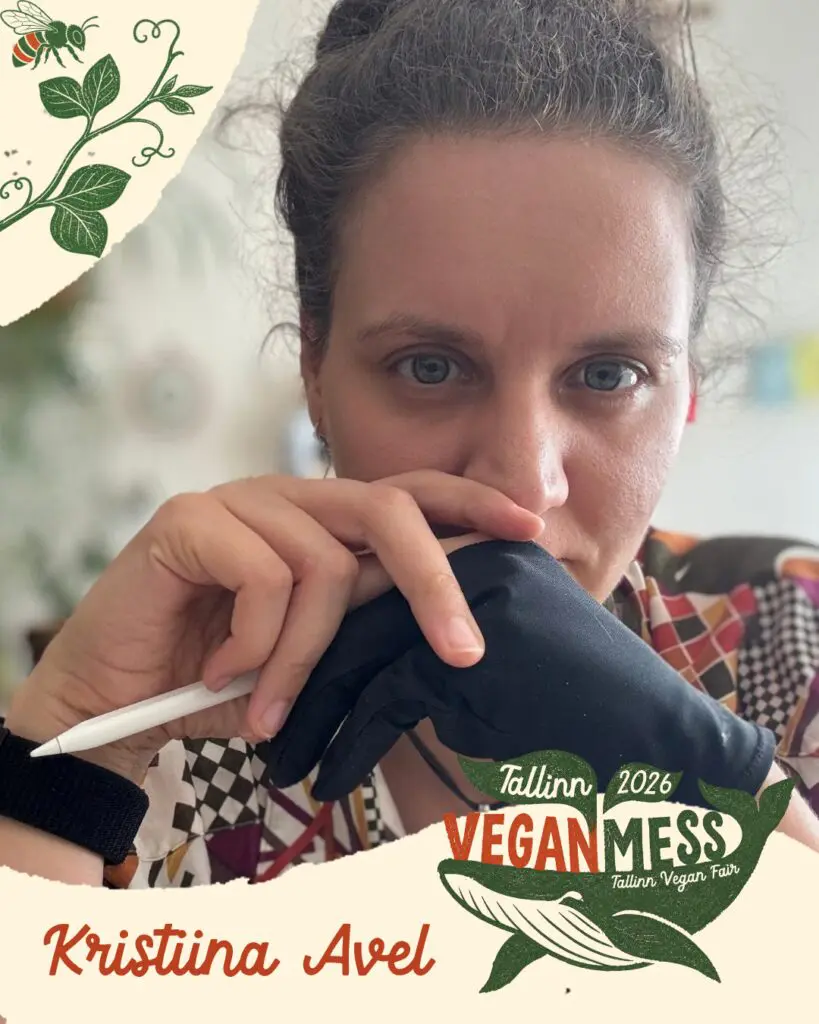
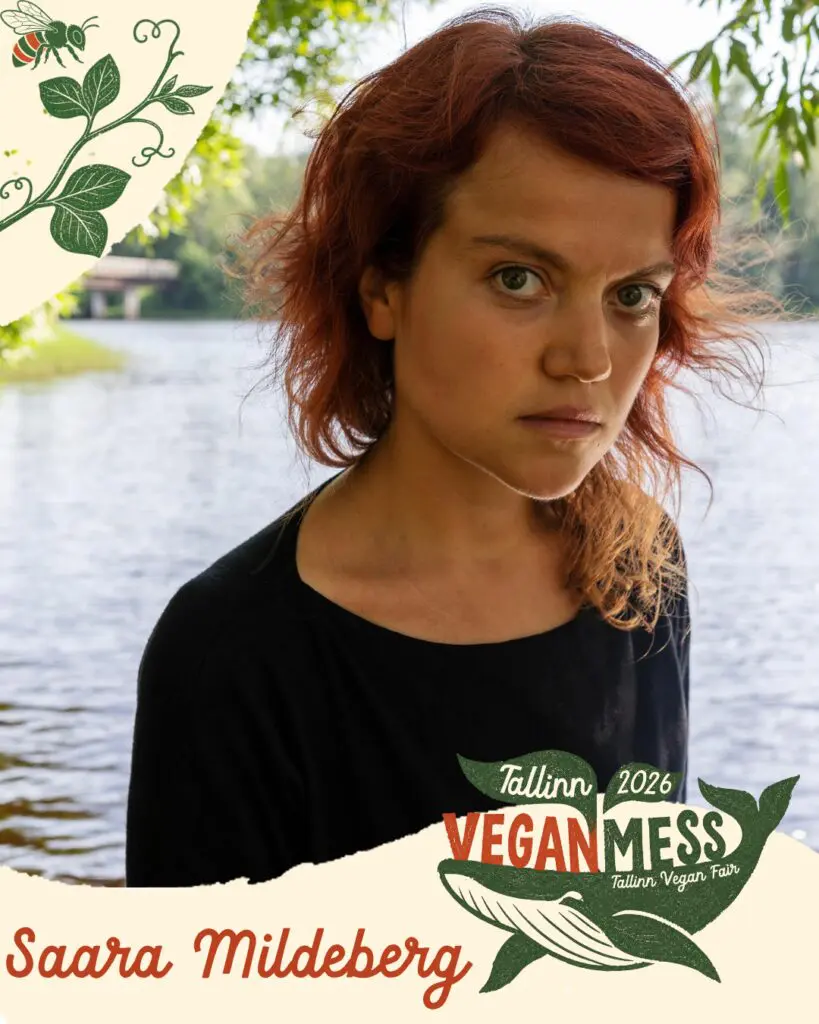
Mari Frühling, Katharina Grepp, Kristiina Avel. Moderator: Saara Mildeberg
"Creative Activism - Art as a Form of Activism." (EST)

Mari Frühling, Katharina Grepp, Kristiina Avel. Moderator: Saara Mildeberg

"Creative Activism - Art as a Form of Activism." (EST)

The discussion brings together three artists whose work places significant emphasis on vegan materials and messages. While veganism is typically associated with food, this panel focuses on all other aspects relevant to activist-creatives – from sourcing art supplies to finding a community.

16.00 – 16.45

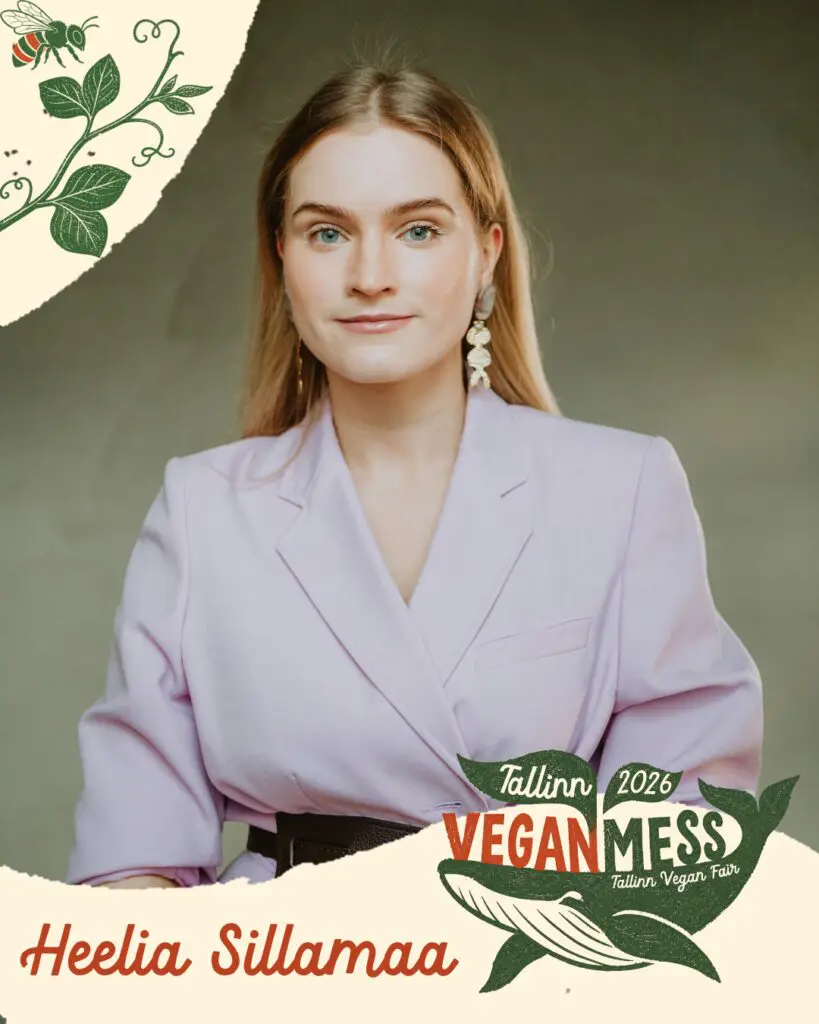
Speaker Heelia Sillamaa and interviewer Raquel Regina Kulijev
"Nothing goes to waste - the life cycle of a meal." (EST)

Speaker Heelia Sillamaa and interviewer Raquel Regina Kulijev

"Nothing goes to waste - the life cycle of a meal." (EST)

58 million tonnes – that is the amount of food waste generated in the European Union every year. More than half of it comes from households. It is a staggering figure, yet the solution begins with small, everyday choices in our own homes.

In this conversation with Heelia Sillamaa, we examine the lifecycle of a meal: how to plan wisely, how to cook so that every ingredient is utilised, and what to do with the leftovers. Discover practical tips, simple changes, and a dose of inspiration to ensure that absolutely nothing goes to waste.

17.00 – 17.45

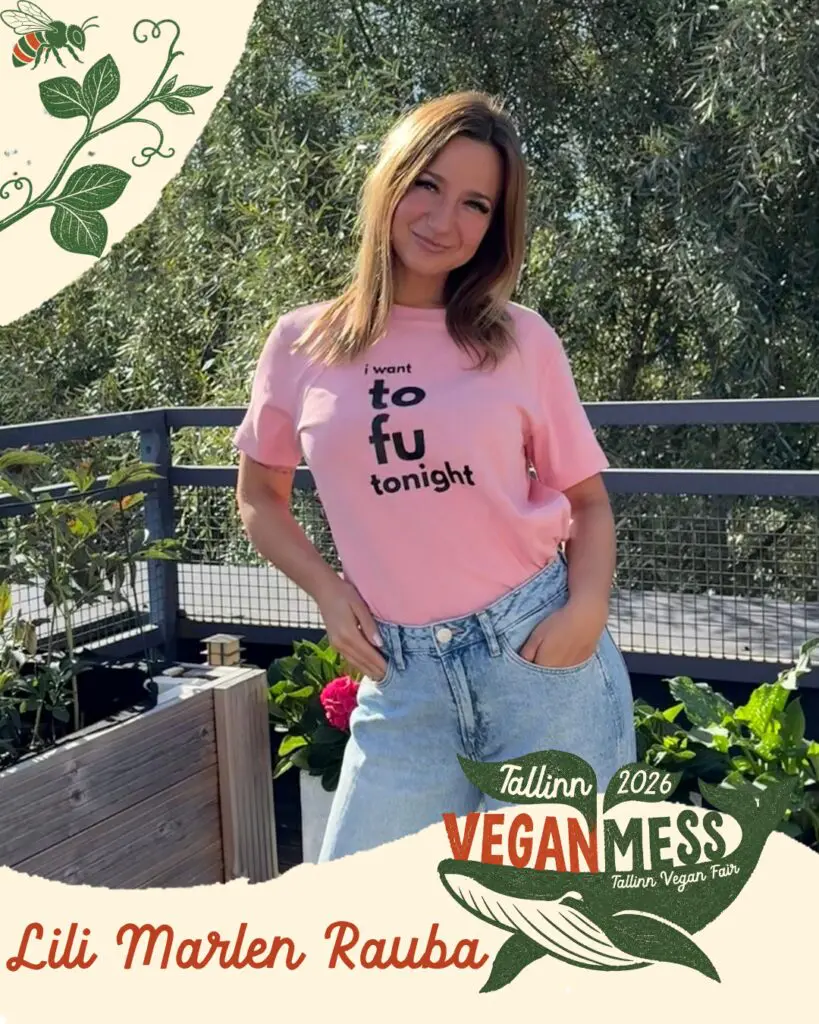
Lili Marlen Rauba
"Promoting the share of animal-based products as a political choice." (EST)

Lili Marlen Rauba

"Promoting the share of animal-based products as a political choice." (EST)

Everything we support and encourage as a state is a matter of political choice. This applies to animal rights, food policy, and more.

The presentation will explore how such political choices are made and what they impact, while also providing examples from other European countries. If we cannot bear to look at how and under what conditions animals live, how they are treated, and what life looks like within those murderous walls – then perhaps it is not right, and perhaps it should not be done.

18.00

FILM NIGHT 🍿
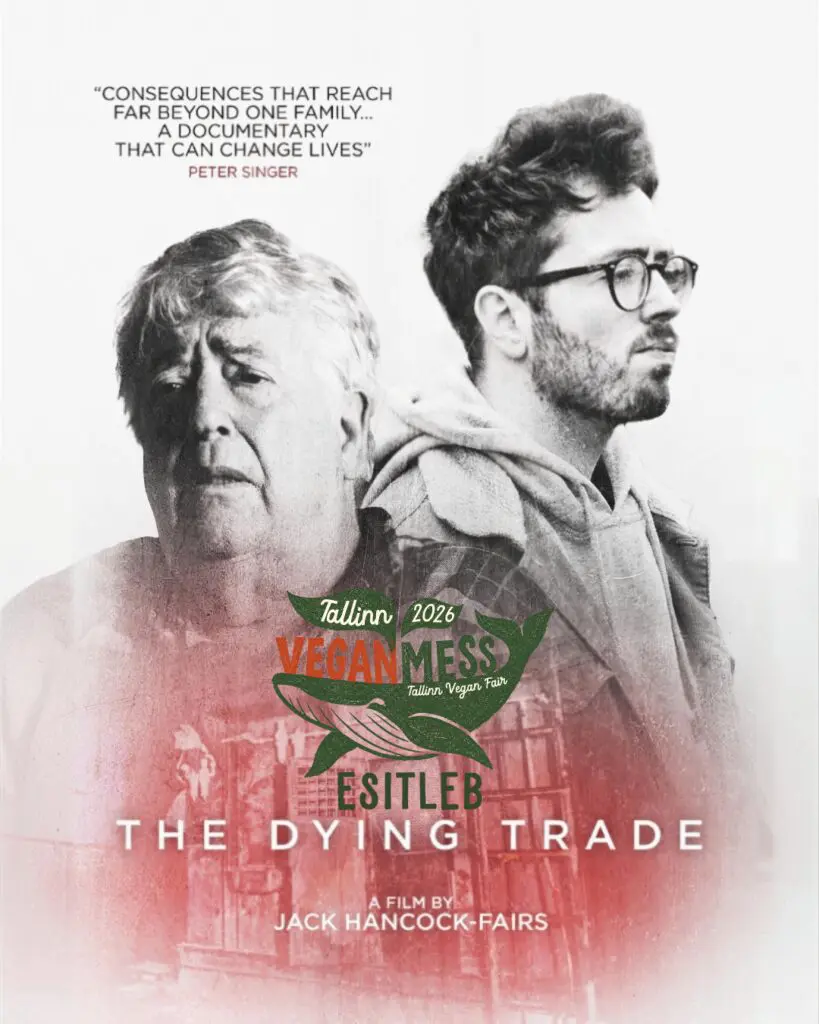
“The Dying Trade (2025)”
A documentary by Jack Hancock-Fairs

FILM NIGHT 🍿

“The Dying Trade (2025)”

Jack Hancock-Fairs has been a vocal vegan activist for 9 years. Hancocks have been in the meat industry for generations. Jack’s father has worked in a slaughterhouse for over thirty years. They love each other, and for most of those years they have avoided the subject. Now Jack sets out to understand it. He seeks the perspective of a former slaughterhouse worker, an industry consultant, an undercover investigator and a Holocaust survivor, so that he can better understand that of his father. Jack finds that the people at the heart of this trade are not the villains you might expect but the victims of the industry themselves. This is an intimate, contemplative film about a son trying to understand his father, and the industry that stands between them. It asks what it takes for good people to cause harm, and what that costs them. Eventually, Jack has to ask his father.

🫜 SUNDAY 11.10

11.30 – 12.30

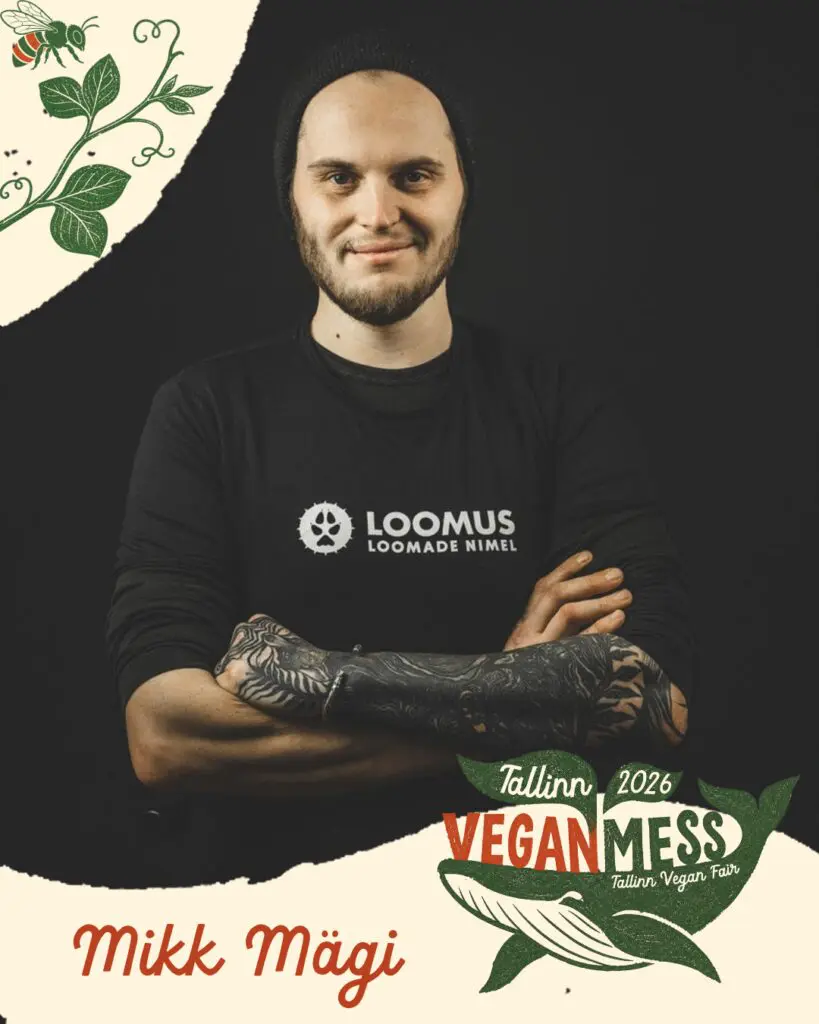
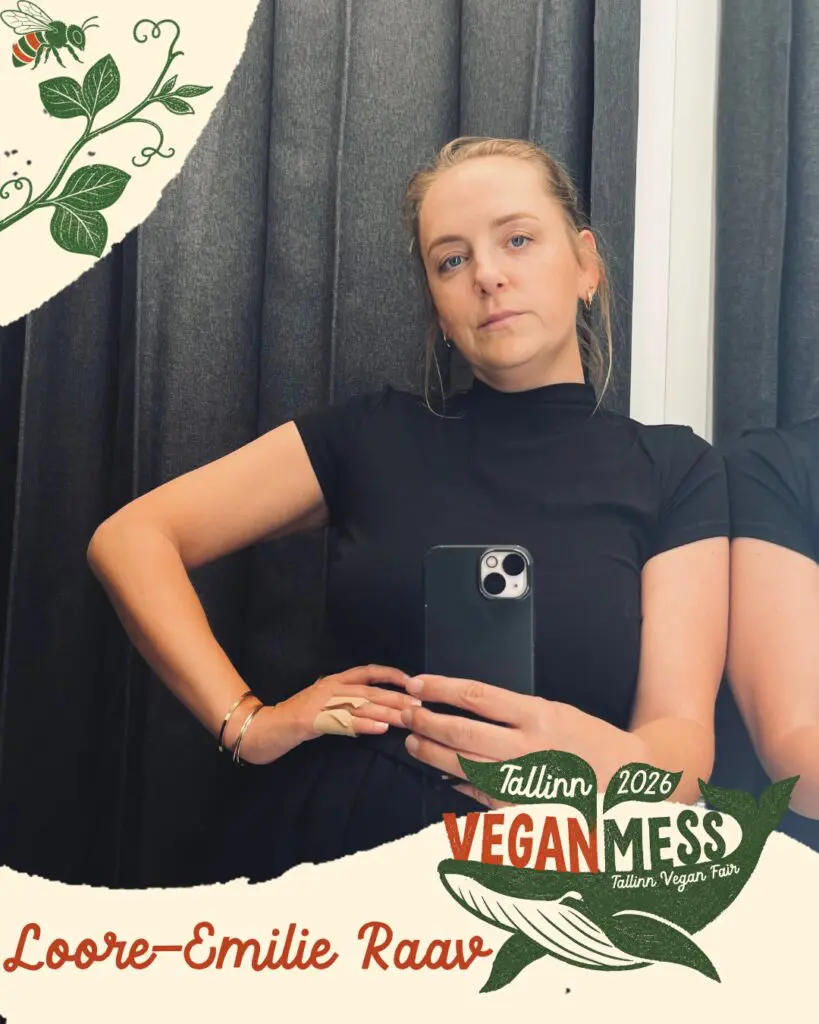
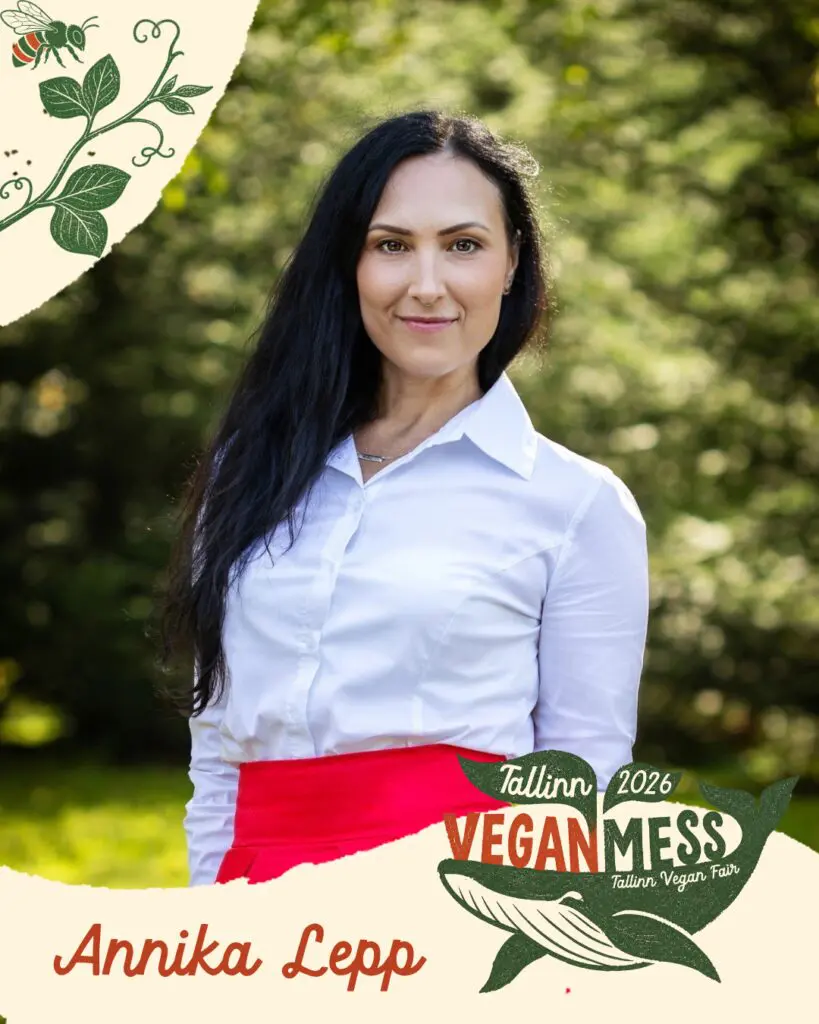
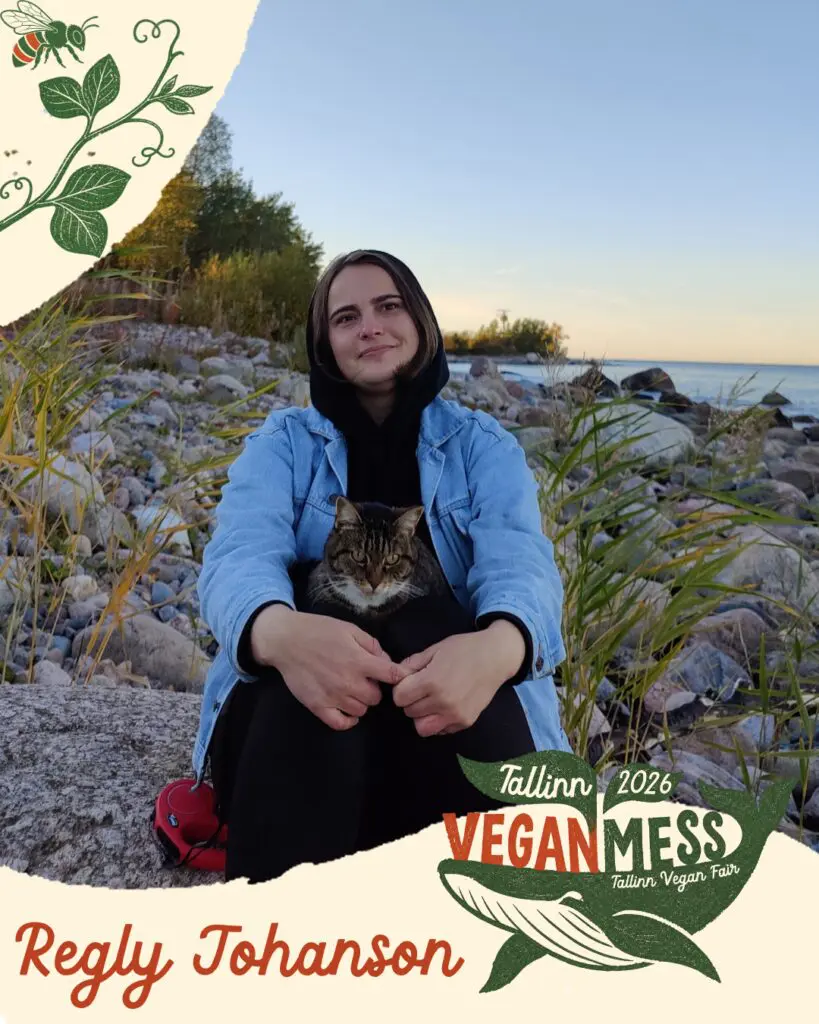
Mikk Mägi, Loore-Emilie Raav, Annika Lepp, Regly Johanson, Evelyn Valtin
Panel discussion: "Back to the Roots." (EST)

Mikk Mägi, Loore-Emilie Raav, Annika Lepp, Regly Johanson, Evelyn Valtin

Panel discussion: "Back to the Roots." (EST)

The discussion looks back at the past 20 years, examining what has changed and what has remained the same regarding animal rights and protection in Estonia. The speakers recall stories – both familiar and previously unheard – as well as key turning points and efforts, while also looking ahead to a vision for the future.

12.45 – 13.15

Kerly Ilves
"Livestock farming and food waste – an invisible connection is at play." (EST)

Kerly Ilves

"Livestock farming and food waste – an invisible connection is at play." (EST)

Modern animal husbandry is highly outdated from both environmental and ethical perspectives; vast sums of money circulate within the industry, and it receives substantial state subsidies. Yet, few consider how animals are treated in industrial farming or the strong – albeit invisible – link between animal husbandry and food waste. These issues go largely undiscussed and unconsidered. This presentation reveals these connections and prompts reflection and debate regarding what is wrong with our food system and whether it should continue to operate this way in 2026.

Performing at the Vegan Fair fulfils a big dream for Kerly, as she gets to combine her passion for veganism with spreading the word about food rescue! The seminar “Animal Agriculture and Food Waste – The Invisible Link” will take place on 11 October from 12.45 to 13.15. Attendees can join the conversation at this eye-opening seminar, which reveals several unexpected facts about the connections between animal agriculture, food waste, and the general squandering of resources. Recommend this to a non-vegan friend!

13.30 – 14.15

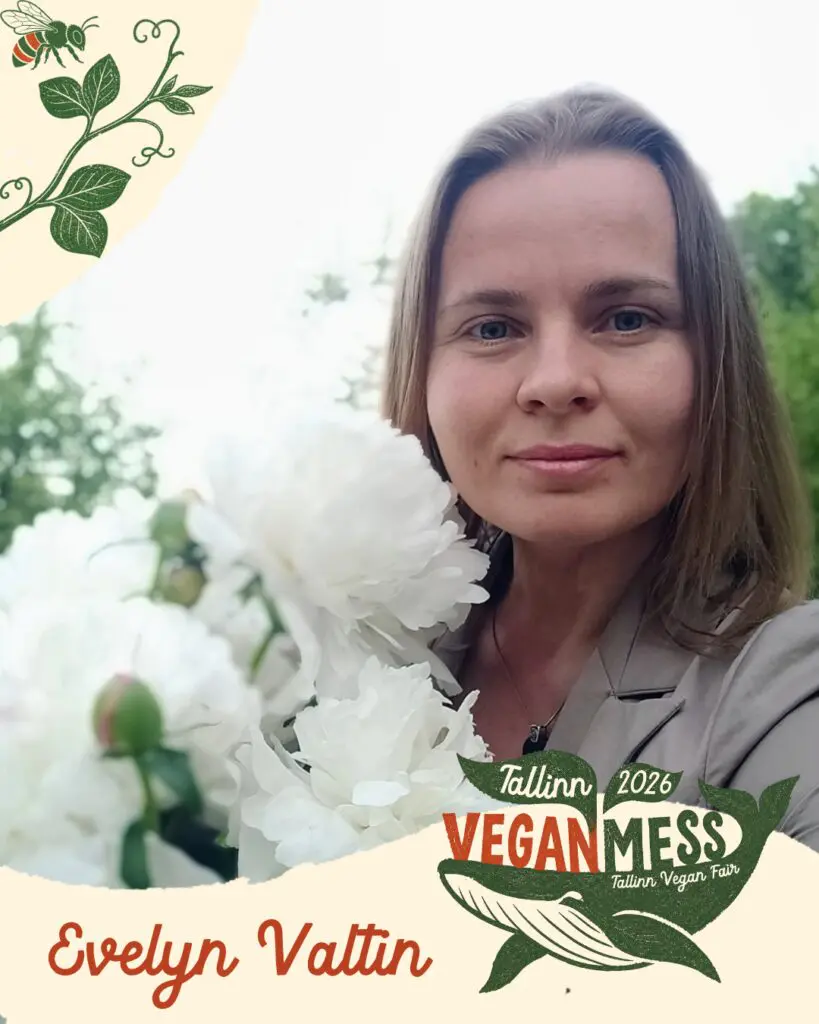
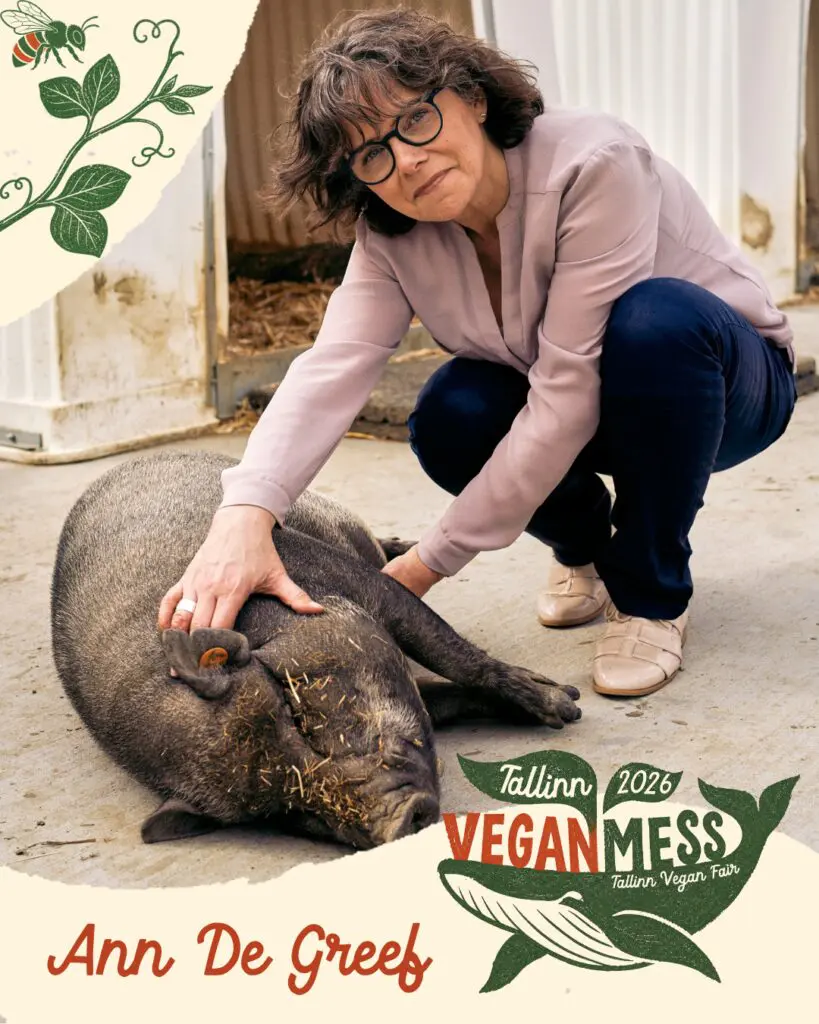
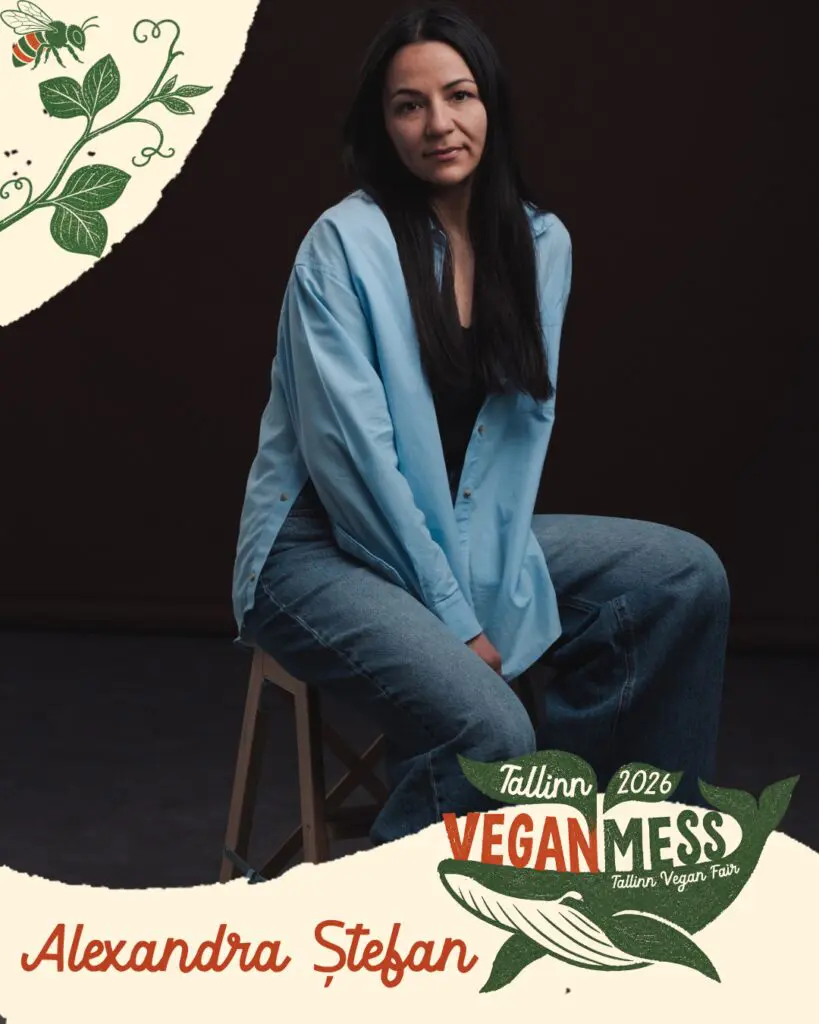
Ann De Greef and Alexandra Ștefan. Moderator: Evelyn Valtin
International panel discussion: "Shaping Change in Society." (ENG)

Ann De Greef and Alexandra Ștefan. Moderator: Evelyn Valtin

International panel discussion: "Shaping Change in Society." (ENG)

The discussion on driving societal change focuses on key developments in animal protection and the advocacy for animal rights in Belgium and Romania to date, as well as the contributions made by GAIA and FREE. It also addresses how to retain and support the volunteers and staff dedicated to helping animals.

The panellists will discuss future plans and the changes that must be implemented today to ensure a better situation for animals over the next 10 to 20 years.

14.30 – 15.15

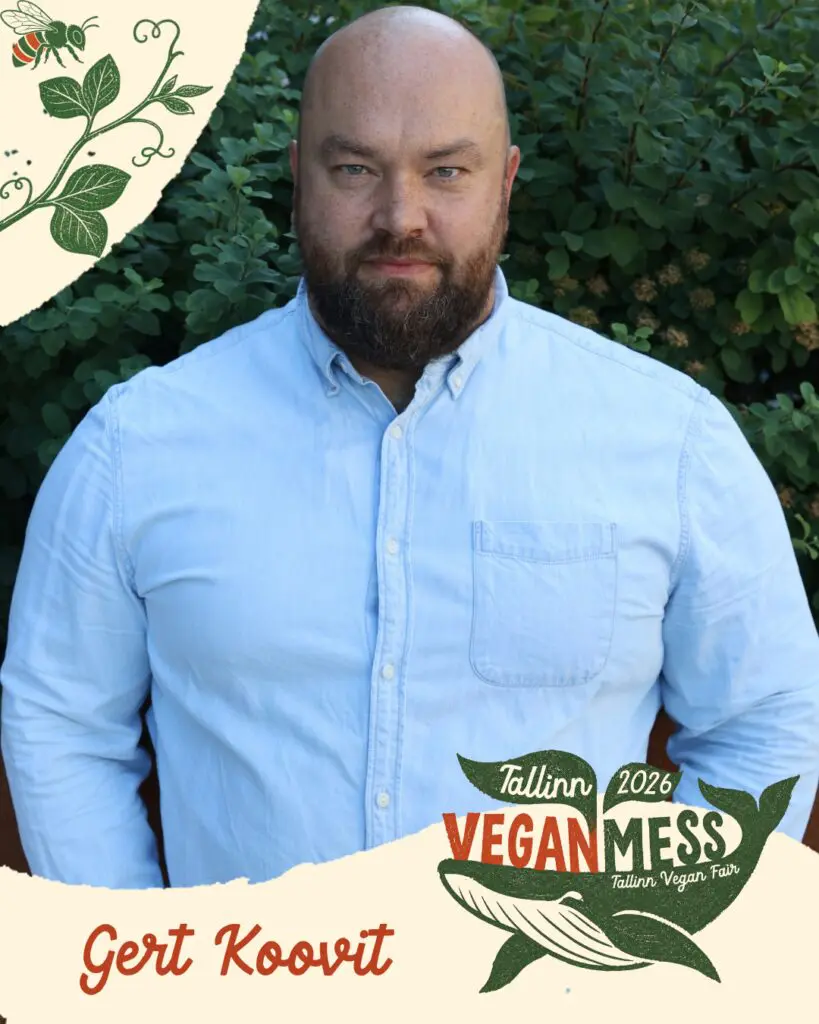
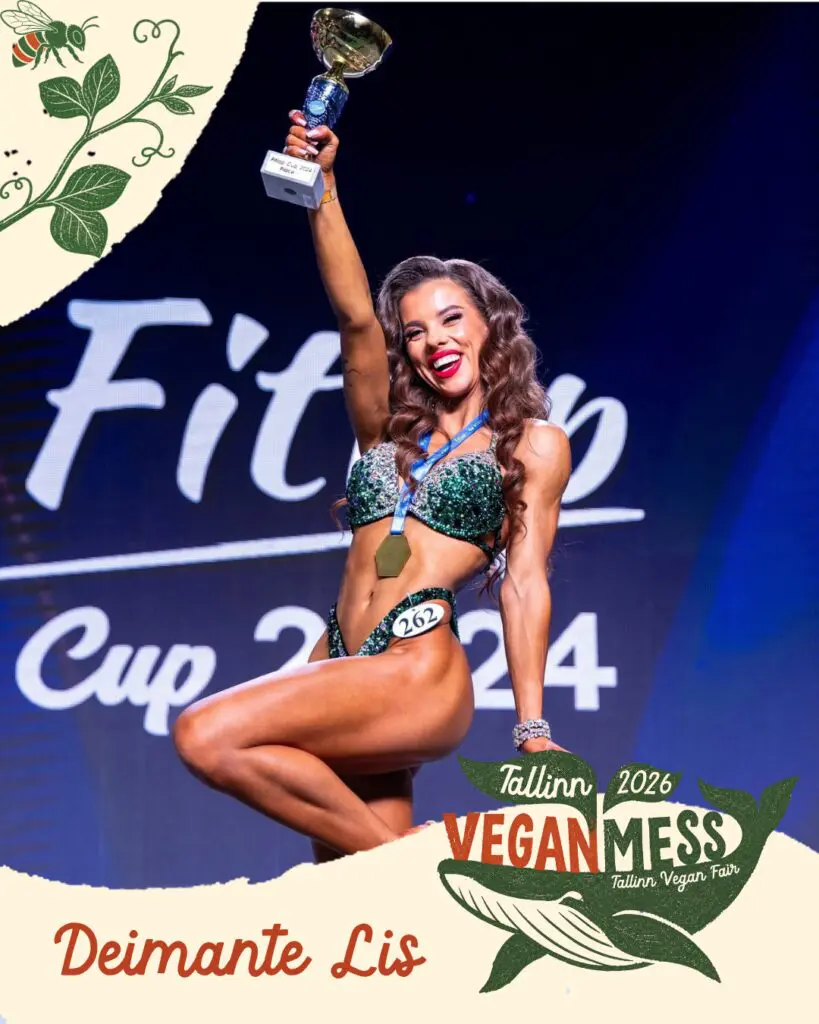
Gert Koovit and Deimantė Lis (prev Šiaulytė)
Dialogue: "Sport and Veganism." (ENG)

+ "Invitation to join the Estonian Vegan Society's Sports Club – Anny Drobet, EVS Board Member." (EST)

Gert Koovit and Deimantė Lis (prev Šiaulytė)

Dialogue: "Sport and Veganism." (ENG)

In this dialogue, participants share their experiences, observations, and challenges as vegan athletes. The discussion covers practical aspects such as blood tests and supplements, dealing with stereotypes, and preparing for competitions as a vegan. Listeners will learn how to meet protein needs during a calorie deficit and how to create a proper nutrition plan as a vegan athlete. What does the future hold for vegan athletes – including moving beyond merely proving that vegans are capable, and instead focusing on equipping them with the knowledge and tools to reach their full potential without compromising their values?

Workshops

🫜 SATURDAY 10.10

13.00 – 14.00

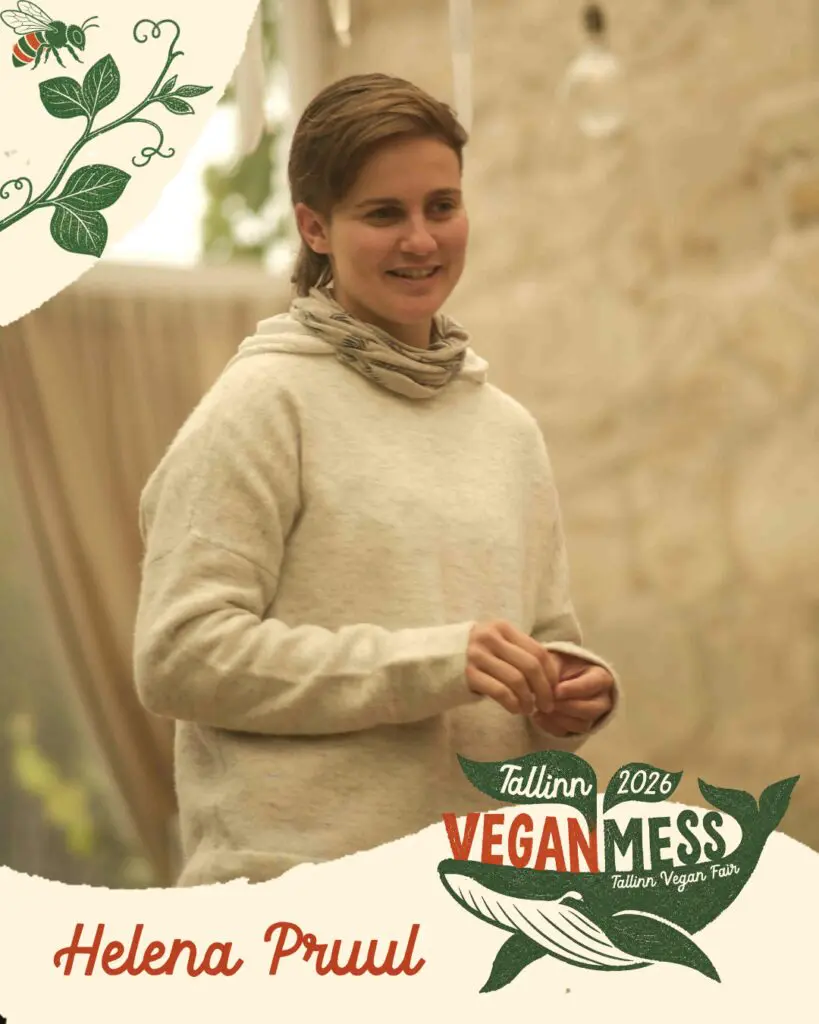
Helena Pruul
"Creative Writing Workshop." (EST)

Helena Pruul

"Creative Writing Workshop." (EST)

We will explore poetry as a way to put into words something that deeply moves us. The goal of the workshop is to practice creative writing and create lines of poetry. We will look at a selection of Estonian and international poems touching on veganism, the climate, and society, using them as a source of inspiration for our own work. No prior experience or skills are required to participate.

14.00 – 14.30

Loomus – Activism: "Badge making" (EST)

15.00 – 15.45

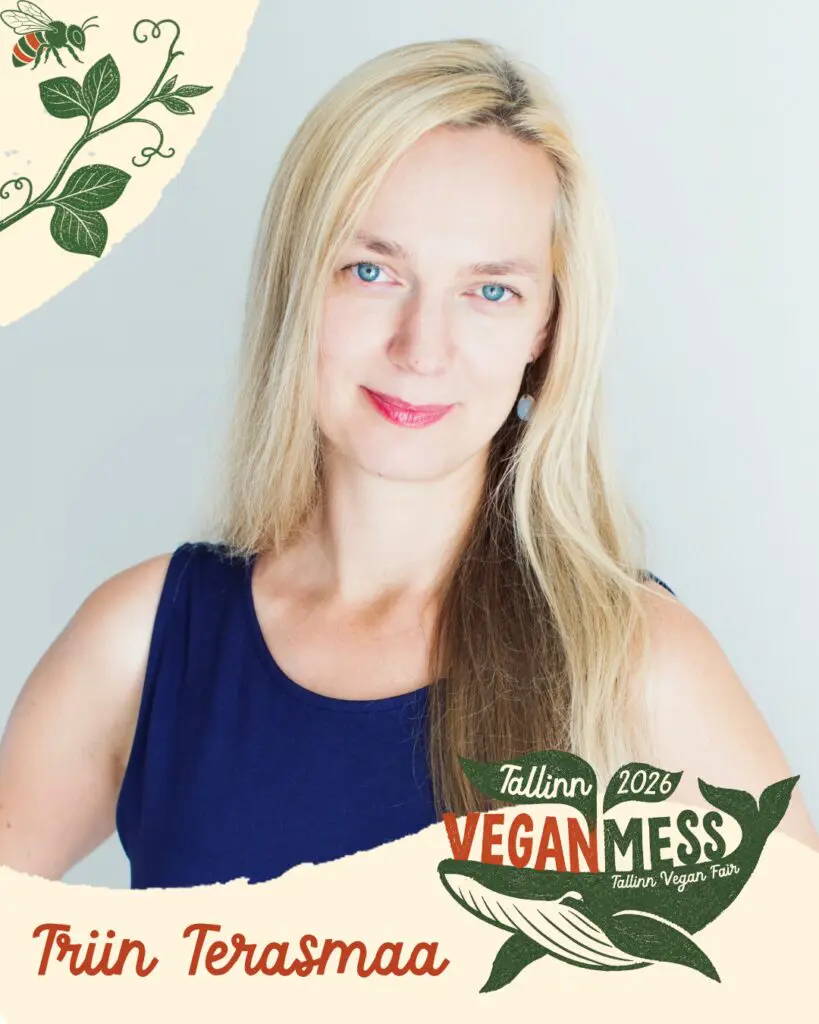
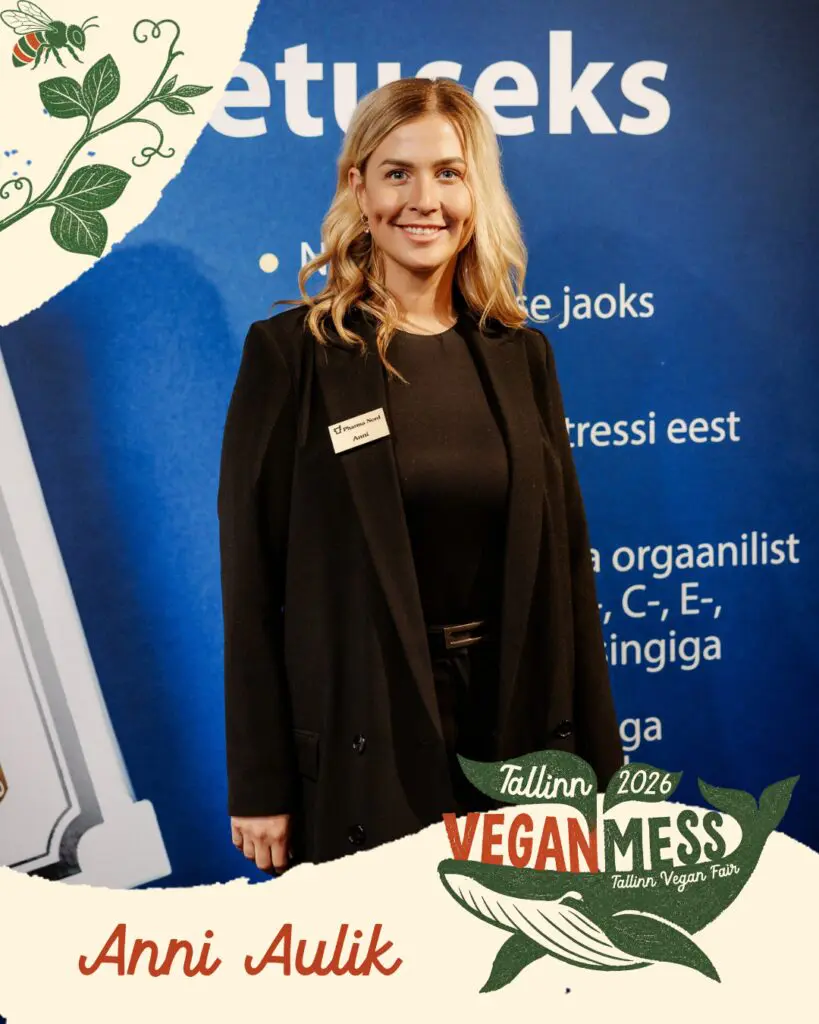
Triin Terasmaa and Anni Aulik
"Does a vegan diet meet all your nutritional needs?" (EST)

Triin Terasmaa and Anni Aulik

"Does a vegan diet meet all your nutritional needs?" (EST)

A vegan diet can be varied, colourful, and well-planned – but is it enough to provide all the nutrients your body requires? Which nutrients can you get from a well-planned vegan diet, and when should you consider adding a supplement to your daily routine?

In this workshop, a realistic one-week vegan meal plan will be put to the test. We will examine, step by step, which vitamins and minerals are well covered and where unexpected deficiencies might arise – even in a menu that seems perfectly balanced at first glance.

Which nutrients are easy to obtain from a fully plant-based diet? Which ones require more conscious choices? When is adjusting your menu sufficient, and when might using a supplement be justified?

By the end of the workshop, there will be a much clearer picture of what to focus on in a daily diet – and perhaps a few surprises regarding things previously taken for granted.

🫜 SUNDAY 11.10

12.45 – 14.15

Jordi Casamitjana
"How to Communicate Veganism Effectively." (ENG)

Jordi Casamitjana

"How to Communicate Veganism Effectively." (ENG)

Jordi Casamitjana will discuss what communication is all about and which are the top 10 vegan messages circulating in vegan campaigning that best communicate the values of the vegan philosophy.

The veganism movement is constantly casting messages to veganise people, institutions, practices, policies, and products, and to neutralise vegan sceptics, vegan deniers, and veganphobes who try to demolish every part of the vegan world we are working to build. We have created billions of different vegan messages in different formats. Messages that, whether just written in a single clear phrase on a T-shirt or implied in the subtle moral of a two-hour movie, are designed to tell something important that the audience should understand and be transformed by.

Which ones are the best, though? What are the top ten messages of the vegan movement? How can we ensure that, when we have created them, they are successful in communicating what we want to communicate? The workshop will explore all this with exercises to practice communication.

14.15 – 15.00

Triin Terasmaa and Anni Aulik
"Does a vegan diet meet all your nutritional needs?" (EST)

Triin Terasmaa and Anni Aulik

"Does a vegan diet meet all your nutritional needs?" (EST)

A vegan diet can be varied, colourful, and well-planned – but is it enough to provide all the nutrients your body requires? Which nutrients can you get from a well-planned vegan diet, and when should you consider adding a supplement to your daily routine?

In this workshop, a realistic one-week vegan meal plan will be put to the test. We will examine, step by step, which vitamins and minerals are well covered and where unexpected deficiencies might arise – even in a menu that seems perfectly balanced at first glance.

Which nutrients are easy to obtain from a fully plant-based diet? Which ones require more conscious choices? When is adjusting your menu sufficient, and when might using a supplement be justified?

By the end of the workshop, there will be a much clearer picture of what to focus on in a daily diet – and perhaps a few surprises regarding things previously taken for granted.

15.00 – 15.45

Katharina Grepp and Saara Mildeberg
"Small, Powerful Booklets: A Zine-Making Workshop." (ENG)

Katharina Grepp and Saara Mildeberg

"Small, Powerful Booklets: A Zine-Making Workshop." (ENG)

This workshop focuses on handmade booklets known in the English-speaking world as “zines”. We will explore the possibilities for self-expression offered by this creative small-scale format and create our own zines with a vegan message – cutting, pasting, and drawing. No prior experience in art or activism is required; come along and surprise yourself!

Kids Area

🫜 SATURDAY 10.10

11.00

Kids’ Area Open.
Free play, drawing, reading, movement and exploring the area.

12.00

🌱 Seed Bomb Workshop.
We make seed bombs from clay, soil and seeds.

13.00

🍞 “Bread Out of the Oven!”
Through song, movement, and rhythm instruments, we act out the story of making bread.

14.00

♻️ “Stop Before FoodCycler.”
A playful game about the journey of food and how we can save and reuse it before it becomes waste.

15.00

🧭 Proverbs and Riddles Adventure.
Children move from station to station, solve puzzles and collect answers for a crossword

16.00

🧸 Montessori.
The Montessori daycare introduces a game and tells children more about their activities.

17.00

🪪 Badge Workshop
Children design and make their own badges.

18.00

Kids’ Area closes.

🫜 SUNDAY 11.10

11.00

Kids’ Area Open.
Free play, drawing, reading, movement and exploring the area.

12.00

🌱 Seed Bomb Workshop.
We make seed bombs from clay, soil and seeds.

13.00

🍞 “Bread Out of the Oven!”
Through song, movement, and rhythm instruments, we act out the story of making bread.

14.00

♻️ “Stop Before FoodCycler.”
A playful game about the journey of food and how we can save and reuse it before it becomes waste.

15.00

🧸 Montessori.
The Montessori daycare introduces a game and tells children more about their activities.

16.00

Kids’ Area closes.

16.00

NB! The children's area is not a childcare service!

Children must be accompanied, and their accompanying adult remains responsible for them at all times.